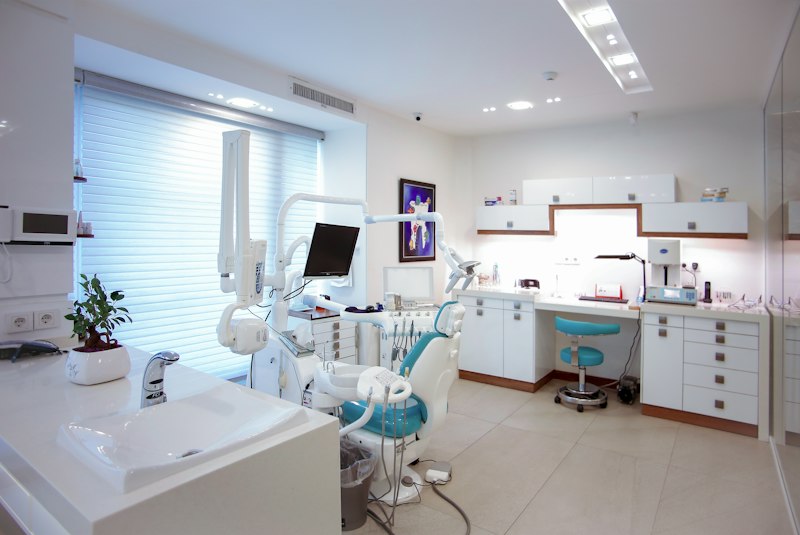
Here's an uncomfortable truth from inside a hospital dental center: most of the complex cases we treat — root canals, extractions, full-mouth rebuilds — started as small, preventable problems. Prevention isn't a slogan here; it's the cheapest, least painful dentistry that exists.

A hospital setting makes prevention more powerful, not less necessary. Because your dental record sits alongside your medical one, we spot the connections others miss: gum disease flagging diabetes risk, grinding signaling sleep apnea, erosion hinting at reflux.
The four habits that do 90% of the work
Brush twice daily with fluoride toothpaste for a full two minutes — electric brushes with timers genuinely help. Clean between teeth once a day; floss, picks or water flossers all count, and the best one is the one you'll actually use. Cut the frequency of sugary and acidic snacks rather than just the quantity. And keep the six-month check-up, even when nothing hurts — especially when nothing hurts.
What check-ups catch early
At a routine visit we screen for eight things beyond cavities: gum disease staging, oral cancer, bite changes, enamel erosion, failing old fillings, wisdom-tooth movement, jaw-joint strain and bone loss on x-ray. Each takes minutes to assess and months to fix if missed.
The math of prevention
A year of preventive care — two check-ups, one hygiene plan, honest home-care coaching — costs less than a single crown. Patients who stay on schedule don't just spend less; they spend it predictably, without emergency visits hijacking their calendar or budget.
Prevention is a partnership: ten minutes a day from you, two visits a year from us.